

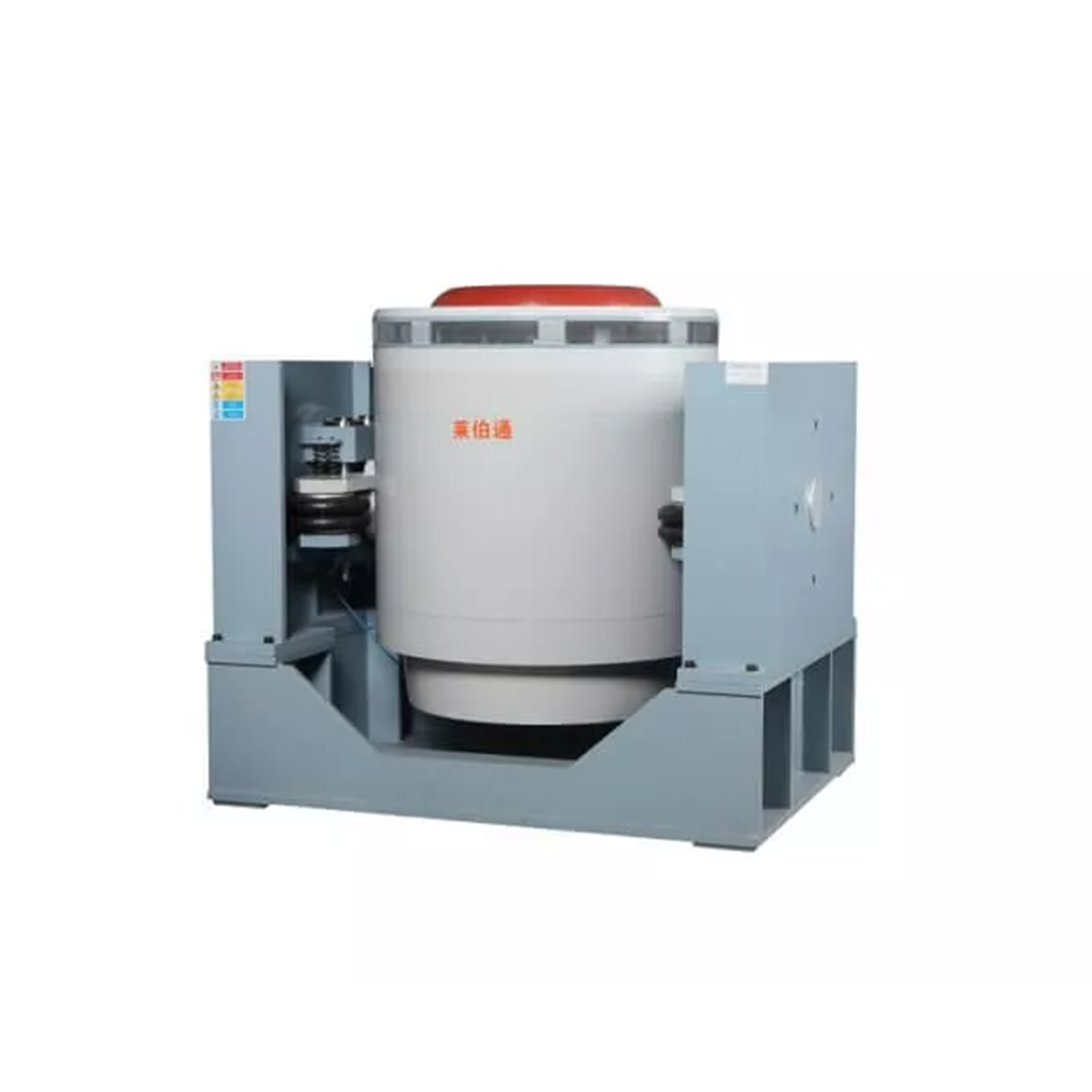
1. Shock and Vibration Testing Types
1.1. Mechanical Shock Test
-
Simulates sudden acceleration forces (e.g., impact, drop, collision).
-
Frequently Used Testing Parameters
20 g – 100 g Acceleration
6–20 ms Pulse Duration
Controlled Waveforms (Half-Sine, Trapezoidal, Sawtooth, Square Pulse)
Applications
-
Impact Resistance of Automotive Control Units and Components
-
Impact Resistance of Aerospace Systems
-
Shock Resistance of Electronic Devices
Related Standards
-
IEC 60068-2-27 – Mechanical Shock Test Standard
-
MIL-STD-810H (Method 516.8) – Shock Test for Military Applications
-
ISO 16750-3 – Shock Resistance Test for Automotive Electronic Components
1.2. Vibration Testing
-
The products are subjected to long-term, continuous mechanical vibration, simulating the effects of transportation, operation, or extreme environmental conditions.
-
Key Parameters
Frequency Range: 5 Hz – 2000 Hz
Acceleration: 0.5 g – 30 g
Operating Time: From 10 minutes to several hours of cycles
Vibration Modes: Sine, Random, Combined Sine-Random
Applications
-
Automotive Components (Engine Parts, Electrical Connectors)
-
Electronic Devices (Mobile Phones, Onboard Systems)
-
Aerospace and Military Equipment
Related Standards
-
IEC 60068-2-6 – Sine Vibration Test
-
IEC 60068-2-64 – Random Vibration Test
-
MIL-STD-810H (Method 514.8) – Military Vibration Test
-
ISO 16750-3 – Vibration Resistance Test for Automotive Electronic Components
1.3. Combined Shock and Vibration Testing
-
Tests that more accurately simulate real-world conditions, combining temperature fluctuations, humidity, and mechanical stress.
-
Example of a Test Cycle:
-40°C ↔ +85°C temperature change
Vibration in the 10 Hz – 2000 Hz frequency range
Shock load with 40 g acceleration
Related Standards
-
GMW 3172 – General Motors Combined Environmental Test
-
VW 80000 – Mechanical Testing of Volkswagen Components
-
RTCA DO-160 – Vibration Resistance Standard for Aerospace Equipment
2. Why Are These Tests Important?
- Quality Assurance – The functionality of the products is guaranteed even in extreme environments.
-
Increased Durability – Manufacturers can identify weak points during the design phase.
-
Compliance with Standards – These tests are essential for meeting industry regulations.
Phone Contact
+36 70 408 0134